By Costin Liculescu, Mindset Over Menu
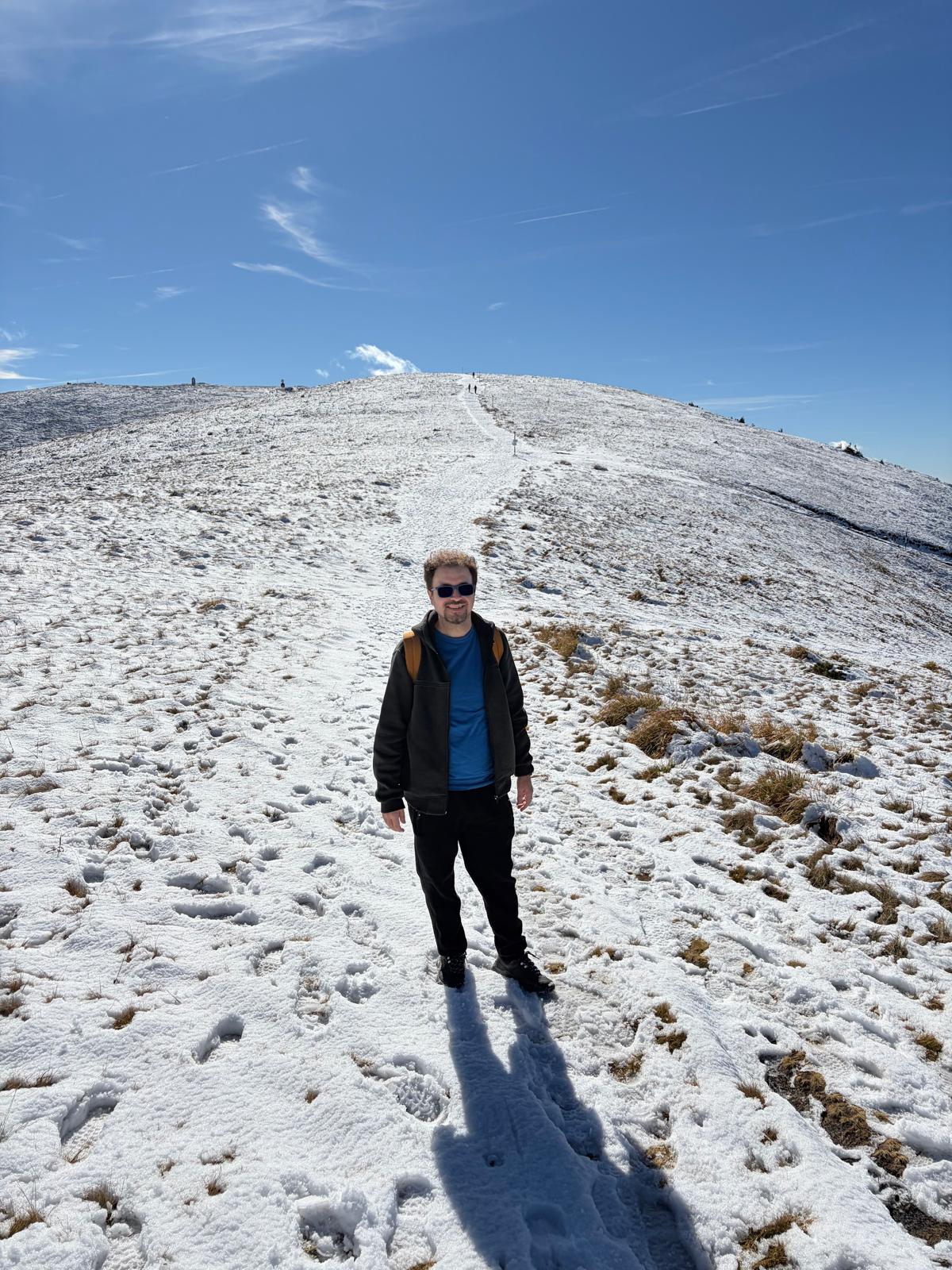
Last Saturday, I went hiking in the mountains and enjoyed it enormously. As I walked, I was reminded of something: losing weight and keeping it off has changed what my body can do, and that change makes experiences I value more enjoyable.
I have lost more than 40 kilograms and maintained that loss. Today my weight is in the range generally considered healthy for my height. On the hike, I thought about how different it felt to move without carrying the much larger belly I once had. I felt more capable of physical effort, and I enjoyed being in the mountains in a way that made the work of losing and maintaining the weight feel worthwhile all over again.
That experience also reminded me that the rewards of weight loss aren’t confined to a number on a scale. Sometimes they appear on a mountain trail, months or years after the decisions that helped make the day possible.
The benefits become part of everyday life
When I was heavier, carrying that extra weight was part of every physical activity I did. Now, being lighter can mean less load on my legs and knees as I move, and I notice a difference in what I feel able to do. Fitness, terrain, sleep, health and many other factors also affect how a hike feels, so I can’t attribute every change to weight alone. Still, for me the difference has been meaningful.
The benefit is not simply that I can do a difficult activity. It’s that I can enjoy the activity itself: being outside, experiencing the landscape and coming home with the satisfaction of having spent my time doing something I value. Greater energy and an increased willingness to be active can make it easier to seek out more of those experiences.
My experience is personal, and yours may look different. Weight is only one part of health and physical ability. People can find enjoyment in movement at many body sizes, and a person’s worth has nothing to do with their weight or how far they can hike. For some, an achievable and meaningful improvement might be walking comfortably through a park, playing with their children or taking the stairs with greater ease.
Why the benefits of weight loss can support maintenance
During weight loss, the goal can seem distant: a number, a clothing size or a future version of your life. Once you begin to experience improvements that matter to you, maintenance can acquire a more immediate purpose. I am not just trying to protect a number. I am taking care of a way of living that includes experiences like the one I had on the mountain.
That connection helps when an ordinary decision feels inconvenient. I might prefer not to think about my eating habits or to exercise only when I feel like it. But remembering what those habits make possible gives me a reason to make a considered choice even when the easier option is attractive.
In my weight-loss and maintenance work, I recommend writing down your own reasons for change and reading them regularly. The most useful reasons are specific to your life. “I want to enjoy a walk without feeling as limited,” or “I want the energy to spend time doing things I value,” can be more compelling than an abstract instruction to be healthier. Those reasons can also change as you discover benefits you hadn’t expected.
Healthy habits can improve health, but they don’t guarantee an outcome
For someone who has excess weight, weight loss may improve measures such as blood pressure, cholesterol and blood sugar, and can lower the risk of some health conditions. Regular physical activity also has benefits for physical and mental health. These are possibilities, not promises: genetics, existing conditions, access to care and many other factors matter too. Even a modest loss can be beneficial; reaching a particular number is not the only meaningful outcome.
Some people may find that improved health changes their treatment needs, but no one should feel that taking medication means they have failed. Medication can be necessary and valuable at any weight. Any decision to change or stop it belongs in a conversation with a qualified health professional.
The effort is real, and so are the rewards
There is a tempting idea that if something is right for us, it should eventually become effortless. My experience has been different. Hiking involves effort, and so do weight loss and maintenance. There are decisions to make, moments of frustration, periods when motivation is low and occasions when I eat differently from what I had planned.
But the existence of a cost does not make an activity a bad choice. The question I find more useful is whether the effort is reasonable for me and whether it contributes to benefits I care about. On Saturday, the answer felt especially clear: the effort of getting up the mountain was part of an experience I enjoyed, just as the ongoing effort of maintaining my habits helps me participate in more of the life I want.
That doesn’t mean pushing through every signal from your body or making your routine more demanding than it needs to be. Rest, recovery, adequate food and appropriate medical care matter. A sustainable approach makes room for those things as well as for persistence.
What weight maintenance taught me about doing hard things
One lesson I carry beyond food and exercise is that discomfort doesn’t automatically mean I cannot continue. I can strongly prefer that a task be easy, pleasant or quick while accepting that it may involve effort, uncertainty or frustration. That shift doesn’t make the difficulty disappear, but it gives me more freedom to decide how to respond.
For example, if I have eaten more than I intended, I may feel disappointed. I can acknowledge that feeling without concluding that I have ruined everything or that I am incapable of maintaining my weight. The next useful step might be to return to my usual meals, consider what made the situation difficult and make a practical adjustment. There is no need to punish myself or wait for a perfect Monday.
The same principle applies to other goals. Progress may require repeated attempts and adjustments. Learning that I can tolerate some of that difficulty, while also asking for support and respecting my limits, has made the effort feel more manageable.
Make your own benefits visible
If you are working toward weight loss or maintaining a change, you might try this simple exercise:
- Notice a real benefit. It could be an activity you enjoy, a change in comfort or stamina, or a habit you are proud to have practiced. It does not have to resemble mine.
- Write down why it matters to you. Connect the benefit to a person, experience or part of your life you value.
- Keep the reminder accessible. Read it when a decision is difficult, alongside any other reasons you have for taking care of yourself.
- Give yourself credit for the actions that support it. A planned meal, a walk, a rest day or a return to your routine after a setback can all be useful steps.
- Review the longer-term pattern. If you monitor your weight, remember that day-to-day fluctuations are normal. Use the information to guide adjustments rather than judge yourself.
For more on the everyday thinking and habits behind my experience, read what losing over 40 kilograms taught me about keeping it off.
A reminder worth keeping
That mountain hike did not teach me something entirely new. It reminded me why I continue to take the work seriously. The benefits of losing weight and maintaining it show up in experiences that make my life richer, and those experiences, in turn, give me reasons to continue.
My reason doesn’t have to be your reason. What matters is finding the benefits that are meaningful to you, allowing for the effort involved, and building habits you can return to when life is imperfect.
Sources and further reading
- CDC: Steps for Losing Weight — potential health benefits, planning and setbacks.
- NIDDK: Eating and Physical Activity to Lose or Maintain Weight — sustainable eating, movement and maintenance.
- Study on weight loss and knee joint loading during walking — research in older adults with knee osteoarthritis.
More support for your own journey
If you would like practical help with cravings, emotional eating and the thoughts that can interfere with your goals, explore my Udemy course, Weight Loss Without Emotional Eating. I also offer one-to-one coaching for weight loss, emotional eating and maintenance; contact me, Costin Liculescu, at +40 752 578 044.
For a broader exploration of discomfort, flexible thinking and following through on meaningful goals, my book How to Do Hard Things: The Discomfort Trap is available on Amazon and as an audiobook on Spotify and ElevenReader.