
You’ve probably heard promises of rapid transformations and dramatic before-and-after photos flooding your social media feed. But real-life weight loss looks nothing like those glossy advertisements. For adults struggling with emotional eating, sustainable weight loss means losing 5-10% of initial body weight and maintaining it through consistent mindset shifts and habit changes. This guide explores evidence-based strategies that work in your actual daily life, addressing the emotional triggers and behavioral patterns that traditional diets ignore. You’ll discover practical tools to build lasting routines without the cycle of restriction and regain that keeps so many people stuck.
Table of Contents
- Key takeaways
- Understanding real-life weight loss: what really works
- Mindset and habits: the foundation for overcoming emotional eating
- Practical strategies and tools for real-life weight loss success
- Long-term outlook and adapting to challenges
- Explore personalized and holistic weight loss support
- What is considered successful weight loss in real life?
Key Takeaways
| Point | Details |
|---|---|
| Sustainable weight loss target | Aim to lose 5 to 10 percent of initial body weight and keep it off through steady habits and mindset changes. |
| High activity and monitoring | Maintain weekly movement that burns about 2000 to 3000 calories and regularly monitor weight, food intake, and activity without becoming obsessed. |
| Breakfast supports maintenance | Eating breakfast daily is associated with better long term weight maintenance and supports combined diet and exercise approaches. |
| Mindset and habit formation | Sustainable change comes from consistent mindset shifts and small repeated habits rather than drastic overhauls. |
Understanding real-life weight loss: what really works
Research from the National Weight Control Registry reveals that successful weight loss maintainers lose about 5-10% of initial body weight on average. This might sound modest compared to flashy marketing claims, but it represents genuine, sustainable change. Only around 20% of people maintain significant weight loss long term, and those who succeed share specific lifestyle patterns worth understanding.
These successful individuals don’t follow extreme protocols or eliminate entire food groups. Instead, they engage in high levels of physical activity, burning 2000 to 3000 calories weekly through movement. They practice consistent dietary control without deprivation. They monitor their weight, food intake, and activity levels regularly. Most importantly, 78% eat breakfast daily, and 89% combine both diet and exercise rather than relying on one approach alone.
For emotional eaters, these statistics matter because they shift focus from quick fixes to building weight loss habits for beginners that address underlying triggers. The goal isn’t perfection but consistency in small, manageable actions.
- Physical activity levels exceed what most people expect for maintenance
- Self-monitoring creates awareness without obsession
- Breakfast eating correlates with better long-term outcomes
- Combining multiple strategies beats relying on diet or exercise alone
“Success in weight loss maintenance isn’t about willpower. It’s about creating an environment and routine that makes healthy choices the path of least resistance.”
This step by step weight loss guide approach means accepting that real change takes time. Your body and mind need space to adapt to new patterns without triggering the stress response that drives emotional eating episodes.
Mindset and habits: the foundation for overcoming emotional eating
Your relationship with food determines whether weight loss becomes sustainable or another failed attempt. Long-term success depends heavily on consistent mindset shifts and habit changes, especially when emotional eating drives your food choices. This isn’t about positive thinking or motivation. It’s about rewiring automatic responses to stress, boredom, and uncomfortable feelings.

Emotional eating creates a cycle where food temporarily soothes difficult emotions, then guilt and shame follow, triggering more emotional eating. Breaking this pattern requires identifying your specific triggers. Do you reach for snacks when work stress peaks? Does loneliness send you to the kitchen? Awareness comes first, then you can build alternative responses.
Habit formation works through repetition in consistent contexts. Start with one small change rather than overhauling everything simultaneously. Maybe you commit to a five-minute breathing exercise before opening the pantry when stressed. Perhaps you establish a evening walk routine that replaces mindless snacking. These mindset shifts for lasting weight loss compound over weeks and months.
Daily self-monitoring increases awareness without judgment. Track when emotional eating urges arise, what triggered them, and how you responded. This data reveals patterns you can’t see when you’re in the moment. Write it down or use an app, but make observation a daily practice.
- Recognize emotional eating triggers through consistent tracking
- Replace food-based coping with alternative stress responses
- Build one new habit at a time for sustainable progress
- Practice self-compassion when setbacks occur
- Create environmental cues that support new behaviors
Pro Tip: When an emotional eating urge hits, set a timer for 10 minutes and engage in any non-food activity. Often the urge passes, revealing it was emotional rather than physical hunger. This simple pause creates space for conscious choice.
These master mindset shift tips aren’t quick fixes. They’re the foundation for changing your default responses. Progress happens gradually as new neural pathways strengthen through repetition. The healthy weight loss habits for lasting success you build now determine whether you maintain results five years from now.
Practical strategies and tools for real-life weight loss success
Evidence shows that 89% of successful maintainers use a combination of diet and exercise, not one or the other. This integrated approach addresses weight loss from multiple angles, making it more resilient to life’s inevitable disruptions. The most effective dietary pattern among long-term maintainers is a low-calorie, low-fat approach, but the key is finding what you can sustain without feeling deprived.
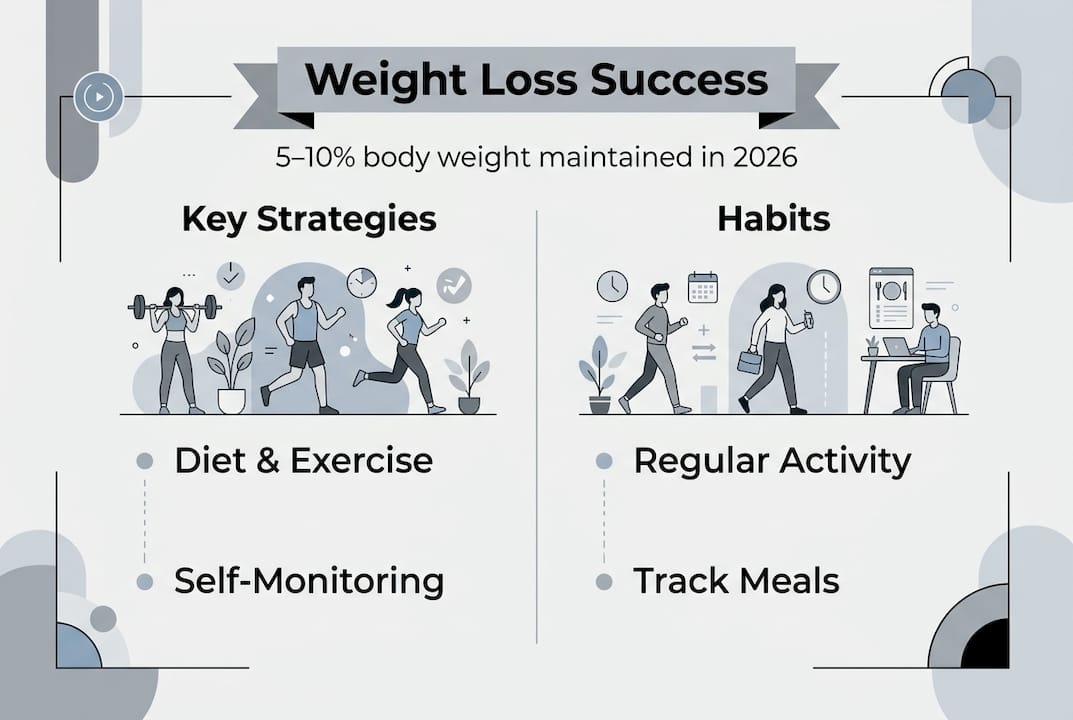
Physical activity needs to be substantial for maintenance. We’re talking about burning 2000 to 3000 calories weekly through movement, which translates to roughly 60 minutes of moderate activity most days. This doesn’t mean intense gym sessions. Walking, cycling, swimming, dancing, or any movement you actually enjoy counts. Consistency beats intensity for long-term adherence.
Self-monitoring creates accountability without external pressure. Successful maintainers weigh themselves regularly, track food intake, and monitor physical activity. This isn’t about obsession but awareness. When you notice a three-pound gain early, you can adjust before it becomes fifteen pounds. Modern apps make tracking easier than ever, removing the friction that once made monitoring tedious.
| Strategy | Effectiveness | Ease of implementation | Best for |
|---|---|---|---|
| Low-calorie, low-fat diet | High for maintenance | Moderate | Those who prefer structure |
| Daily physical activity | High for all aspects | Moderate to high | Building sustainable routines |
| Self-monitoring (weight, food, activity) | Very high | High with apps | Increasing awareness |
| Breakfast consumption | Moderate to high | Very high | Establishing daily rhythm |
| Combined diet and exercise | Highest | Moderate | Long-term success |
Breakfast eating correlates strongly with weight maintenance, though researchers debate whether it’s causal or just a marker of overall healthy habits. Regardless, starting your day with a balanced meal sets a positive tone and reduces impulsive food choices later. It doesn’t need to be elaborate. Protein, some fiber, and healthy fats create satiety that lasts.
- Choose one dietary change you can maintain indefinitely, not a temporary restriction
- Schedule physical activity like any important appointment, making it non-negotiable
- Select a tracking method that fits your lifestyle, whether an app or simple journal
- Establish a morning routine that includes breakfast and sets your daily intention
- Review your weekly data to identify patterns and adjust strategies accordingly
Pro Tip: Start tracking just one meal per day for a week before expanding to full-day tracking. This gradual approach prevents overwhelm and helps you build the habit without feeling burdened by constant monitoring.
These maintain weight loss mindset strategies work because they’re based on what actual successful people do, not theoretical ideals. The holistic weight loss strategies approach recognizes that sustainable change requires addressing multiple factors simultaneously rather than searching for a single magic solution.
Long-term outlook and adapting to challenges
Maintaining weight loss presents different challenges than losing it initially. The sobering reality is that only about 20% maintain significant weight loss long term, making adaptation and support crucial for staying in that successful minority. Life throws curveballs including stress, relationship changes, job transitions, injuries, and countless other disruptions that can derail even the best-laid plans.
Relapse triggers often involve major life stressors or gradual erosion of monitoring habits. You might stop weighing yourself regularly, then tracking food intake, then skipping workouts. These small lapses compound. Alternatively, a crisis hits and you revert to old emotional eating patterns for comfort. Neither scenario means failure. They’re normal parts of the long-term journey that require adjustment rather than abandonment.
| Timeframe | Maintenance rate | Common relapse factors | Recommended adjustments |
|---|---|---|---|
| 6-12 months | 40-50% | Reduced monitoring, return of old habits | Reinstate daily tracking, reconnect with support |
| 1-2 years | 30-40% | Major life stress, injury, lifestyle changes | Adapt routines to new circumstances, seek professional guidance |
| 2-5 years | 20-25% | Complacency, gradual weight creep | Regular check-ins, periodic intensive monitoring phases |
| 5+ years | 20% | Same as above plus aging metabolism | Adjust calorie and activity levels for age, maintain vigilance |
Clinical support becomes valuable when you’re stuck in patterns you can’t break alone. A weight loss coach or therapist specializing in emotional eating can identify blind spots and provide accountability. Healthcare providers can rule out medical factors affecting weight and offer evidence-based interventions. There’s no shame in seeking help. The most successful people recognize when they need external support.
When facing a plateau or regain, resist the urge to implement drastic measures. Instead, return to basics: tracking, consistent meal timing, adequate sleep, stress management, and regular movement. Often the solution isn’t doing something new but consistently doing what worked before.
- Review your tracking data to identify when habits started slipping
- Adjust your activity level if injury or schedule changes reduced movement
- Address new stressors with non-food coping strategies
- Reconnect with your original motivation and reasons for change
- Consider professional support if struggling for more than a few months
Reframe setbacks as data points rather than failures. Each challenge teaches you something about your triggers, vulnerabilities, and what support systems you need. The maintain weight loss strategies that work long term involve this kind of flexible, learning-oriented mindset. This holistic weight loss guide perspective recognizes that sustainable change isn’t linear but requires ongoing adaptation to life’s changing demands.
Explore personalized and holistic weight loss support
The strategies outlined here provide a solid foundation, but sustainable weight loss often benefits from personalized guidance tailored to your specific emotional eating triggers and life circumstances. Mindset Over Menu specializes in helping adults navigate the psychological and behavioral aspects that traditional diets overlook.

Our personalized weight loss mindset guide explores how individualized approaches address your unique relationship with food and stress responses. This holistic weight loss guide demonstrates how integrating mindset, habits, and practical strategies creates lasting change without the restriction and deprivation that trigger emotional eating episodes. These mindset shift tips for lasting weight loss complement the evidence-based practices covered here, giving you deeper tools for transformation.
What is considered successful weight loss in real life?
What counts as successful weight loss?
Successful weight loss means losing 5-10% of your initial body weight and maintaining that loss through consistent lifestyle changes rather than temporary dieting. Research shows this modest percentage delivers significant health benefits including improved blood pressure, cholesterol, and blood sugar control. The key isn’t the dramatic number but the sustainability of your new habits.
How does emotional eating affect weight loss efforts?
Emotional eating undermines weight loss by creating unplanned food intake triggered by feelings rather than physical hunger. When you use food to cope with stress, boredom, or difficult emotions, you bypass your body’s natural satiety signals and consume calories your body doesn’t need. Addressing emotional eating requires identifying your specific triggers and building alternative coping strategies that don’t involve food.
What are effective habits to support long-term weight loss?
Effective habits include daily self-monitoring of weight and food intake, eating breakfast consistently, maintaining regular physical activity, and practicing mindful eating without distractions. These small, repeatable actions create the foundation for lasting change. Consistency matters more than perfection, as these weight loss mindset strategies demonstrate through building momentum over time.
When should someone seek professional support for weight loss?
Consider professional support when you experience persistent weight loss plateaus lasting several months, struggle with emotional eating patterns you can’t break alone, or face medical complications affecting your weight. Healthcare providers and specialized coaches offer tailored guidance, accountability, and evidence-based interventions that address your specific challenges. Seeking help demonstrates strength and commitment to your long-term success rather than weakness.
Recommended
- How to maintain weight loss: mindset strategies 2026
- Weight loss habits for beginners: build lasting routines 2026
- Step by step weight loss guide for lasting change 2026
- What is holistic weight loss? Your 2026 guide to change