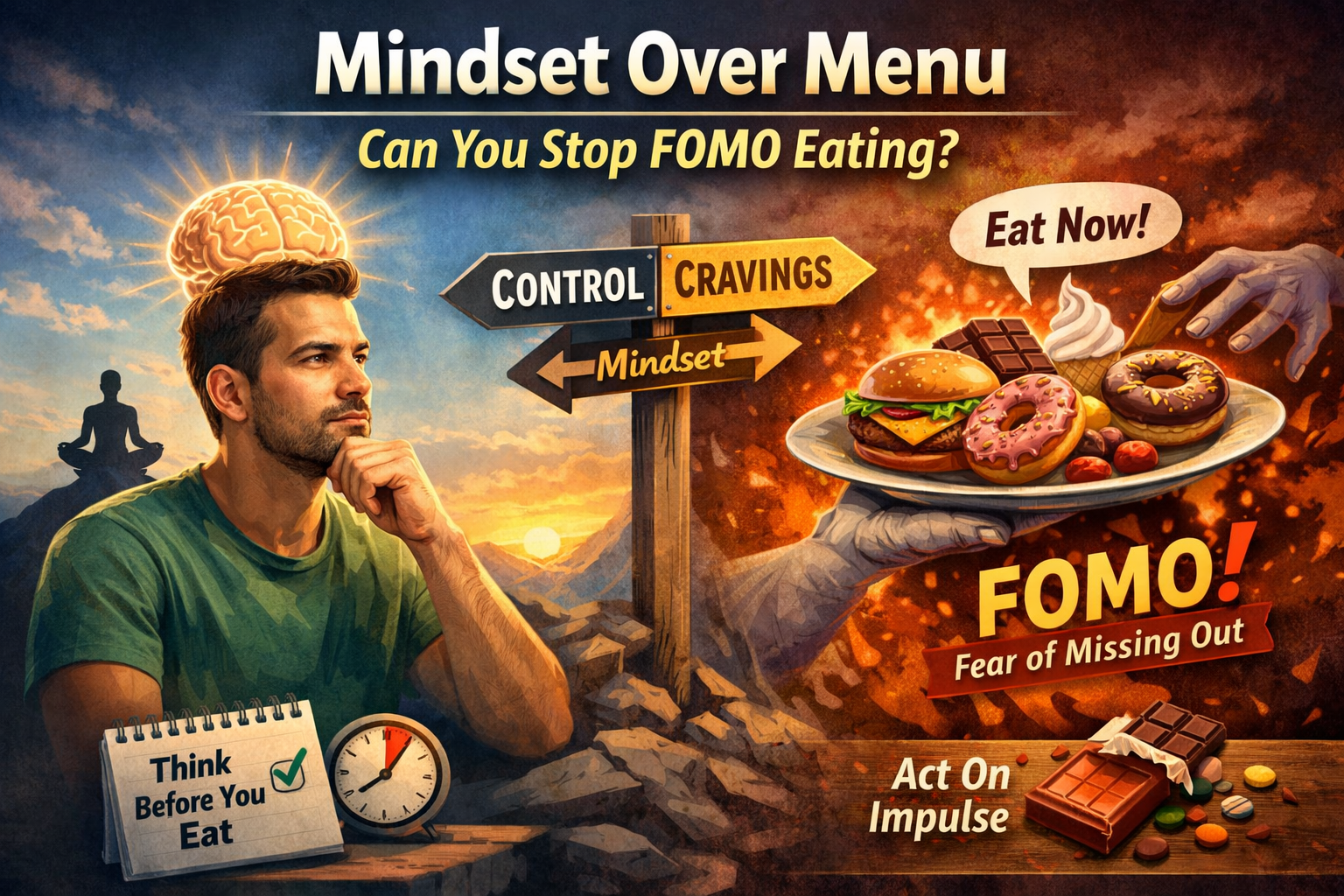
Most people believe harsh self-criticism drives weight loss, but research proves the opposite. Negative self-talk is associared with emotional eating and sabotaging progress. This article reveals how transforming your inner dialogue unlocks sustainable weight loss through motivation, emotional regulation, and lasting habit change.
Table of Contents
- Understanding Self-Talk: Definitions And Types
- How Negative Self-Talk Impedes Weight Loss
- The Neuroscience Behind Positive Self-Talk And Weight Management
- The Power Of Self-Compassion And Distanced Self-Talk
- Common Misconceptions About Self-Talk In Weight Loss
- Practical Strategies To Cultivate Positive Self-Talk For Sustainable Weight Loss
- Bridging Understanding To Action: Integrating Self-Talk Into Your Weight Loss Journey
- Discover Mindset-Based Tools For Lasting Weight Loss
- Frequently Asked Questions
Key takeaways
| Point | Details |
|---|---|
| Constructive self-talk boosts motivation and reduces emotional eating | Supportive inner dialogue activates reward pathways and lowers stress hormones |
| Distanced self-talk improves decision-making during challenges | Using your name creates emotional distance and enhances clarity |
| Self-compassion after setbacks supports persistence | Reducing shame helps you recover quickly and maintain healthy behaviors |
| Combining mindset strategies with behavior change maximizes results | Integration of self-talk techniques with coaching and behavioral interventions accelerates sustainable weight loss |
Understanding self-talk: definitions and types
Self-talk is the continuous internal conversation shaping your feelings, decisions, and actions throughout each day. This mental dialogue operates constantly, influencing how you interpret situations and respond to challenges. Understanding different types of self-talk helps you recognize patterns affecting your weight loss journey.
Constructive self-talk delivers encouraging, supportive messages that build confidence and motivation. It reinforces your capabilities and celebrates progress, creating a foundation for sustained effort. This form of inner dialogue helps you view challenges as opportunities rather than insurmountable obstacles.
Negative self-talk involves harsh criticism, doubt, and defeatist thinking that undermines your goals. It magnifies failures while minimizing successes, creating a mental environment where progress feels impossible. This destructive pattern keeps you trapped in cycles of frustration and emotional eating.
Distanced self-talk uses third-person perspective by addressing yourself by name instead of using “I” statements. This technique creates psychological distance from emotional reactions, reducing bias and improving rational decision-making.
Recognizing these patterns represents the first step toward leveraging helpful self-talk and eliminating harmful patterns. Awareness allows you to interrupt negative cycles before they derail your progress. Mindset Over Menu (our program) emphasizes this foundational understanding as essential for lasting weight management success.
Key characteristics of each self-talk type:
- Constructive self-talk focuses on strengths, progress, and possibilities
- Negative self-talk emphasizes weaknesses, failures, and limitations
- Distanced self-talk provides objective perspective using your name
- Each type triggers different neurological and emotional responses
- Choosing your self-talk pattern influences weight loss outcomes
How negative self-talk impedes weight loss
Negative self-talk creates a cascade of psychological and physiological barriers that actively sabotage weight loss efforts. Understanding these mechanisms helps you recognize why harsh self-criticism backfires despite seeming motivational.
Negative self-talk also destroys self-efficacy, which is your belief in your ability to succeed. When you constantly tell yourself you lack willpower or always fail, you create a self-fulfilling prophecy. Your brain accepts these messages as truth and stops generating motivation for healthy behaviors.
Common negative self-talk patterns include:
- Catastrophizing: viewing minor setbacks as complete failures
- Filtering: ignoring positives while magnifying negatives
- Personalizing: blaming yourself for circumstances beyond your control
- Polarized thinking: seeing situations as all-or-nothing with no middle ground
- Mind reading: assuming others judge you negatively about your weight
These patterns feed emotional eating by creating shame, anxiety, and feelings of hopelessness. You turn to food for comfort from the very pain your negative self-talk creates. This cycle keeps you stuck regardless of which diet you try.
Pro Tip: Keep a self-talk journal for three days to identify your most frequent negative patterns. Awareness is the first step toward interruption and change.
Breaking free requires understanding that negative self-talk and self-compassion represent opposite approaches with dramatically different outcomes. Recognizing these destructive patterns early allows you to implement corrective strategies before they derail your progress.
The power of self-compassion and distanced self-talk
Two specific self-talk techniques, self-compassion and distanced self-talk, provide exceptional benefits for recovering from setbacks and maintaining long-term adherence to healthy behaviors.
Self-compassion means treating yourself with the same kindness you would offer a good friend facing similar struggles. When you slip up and overeat, self-compassion allows you to acknowledge the lapse without spiraling into shame and additional overeating. Self-compassion following a diet lapse increases intentions to continue healthy eating while reducing negative emotions.
This approach directly counters the shame-based motivation many people use unsuccessfully. Shame triggers defensive eating, whereas self-compassion maintains the psychological safety needed to learn from mistakes. You can honestly assess what went wrong and adjust your approach without the emotional burden that typically leads to giving up.
Distanced self-talk complements self-compassion by creating objectivity during emotionally charged moments.
This technique reduces emotional bias that clouds judgment during tempting situations. The psychological distance allows you to see the bigger picture rather than fixating on immediate gratification. You access wisdom you already possess.
| Technique | Primary benefit | Impact on emotions | Effect on decisions |
|---|---|---|---|
| Self-compassion | Reduces shame after setbacks | Lowers negative affect | Increases persistence |
| Distanced self-talk | Creates objectivity | Decreases emotional reactivity | Enhances self-control |
Combining both approaches maximizes their individual benefits. Self-compassion provides the emotional foundation for continued effort, while distanced self-talk delivers the cognitive clarity for better moment-to-moment choices. Together, they create resilience that withstands the inevitable challenges of any weight loss journey.
Pro Tip: During difficult moments, first use your name to create distance, then add self-compassionate language. “John, this is tough, but you’re learning and that’s okay.”
Common misconceptions about self-talk in weight loss
Several widespread myths prevent people from effectively using self-talk as a weight management tool. Debunking these misconceptions clears the path for evidence-based approaches.
Myth one claims negative self-talk motivates weight loss by keeping you accountable and pushing harder. Reality shows the opposite. Harsh self-criticism triggers and fuel emotional eating. The temporary shame you feel doesn’t translate into lasting behavior change.
Myth two views self-compassion as self-indulgence or making excuses for poor choices. This fundamentally misunderstands self-compassion’s role. Being kind to yourself after mistakes increases rather than decreases your commitment to healthy behaviors. Shame creates defensive eating, while self-compassion builds genuine motivation for improvement.
Additional misconceptions worth addressing:
- Believing self-talk effects are purely psychological with no physical impact
- Thinking you must eliminate all negative thoughts completely
- Assuming self-talk techniques work instantly without practice
- Viewing self-talk as separate from rather than integral to weight loss
- Believing willpower alone matters more than mental frameworks
These myths persist because they align with cultural messages about discipline and punishment driving results. However, decades of research confirm that supportive self-talk outperforms criticism across virtually all performance domains, including weight management.
Understanding the truth behind misconceptions about self-talk empowers you to adopt strategies that actually work. You can stop wasting energy on counterproductive approaches and invest in techniques backed by solid evidence.
Practical strategies to cultivate constructive self-talk for sustainable weight loss
Transforming your self-talk requires specific, actionable techniques you can implement starting today. These strategies build on each other to create lasting change.
- Identify your negative self-talk patterns by monitoring thoughts during challenging moments. Notice themes like catastrophizing after small lapses or filtering that ignores your progress while magnifying struggles. Write down specific phrases you repeatedly tell yourself.
- Challenge these thoughts using cognitive restructuring. Ask yourself if there’s evidence supporting the negative belief. Consider alternative explanations for situations. Question whether you would talk to a friend this way.
- Replace negative thoughts with realistic thinking aligned to your values. Instead of “I always fail at this,” use “I’m building skills through practice.” Focus affirmations on effort and growth rather than outcomes.
- Practice distanced self-talk by using your name when facing temptations or setbacks. This simple shift creates psychological distance that enhances self-control.
- Integrate these mindset tools with personalized coaching and behavioral changes for comprehensive support. Self-talk works best when combined with practical strategies for meal planning, emotional regulation, and habit formation.
Pro Tip: Consistency matters more than perfection. Set phone reminders to check your self-talk three times daily and adjust as needed.
These techniques require practice before becoming automatic. Initially, you must consciously interrupt negative patterns and deliberately choose supportive alternatives. Over weeks, new neural pathways strengthen, making constructive self-talk increasingly natural.
Bridging understanding to action: integrating self-talk into your weight loss journey
Sustainable weight loss demands alignment between your mindset and behaviors, with self-talk serving as the bridge connecting psychological and practical elements.
Your inner dialogue determines whether you maintain motivation during plateaus or give up when progress slows. Constructive self-talk provides the emotional fuel needed for consistent effort over months and years. Without this mental foundation, even perfect meal plans eventually crumble under stress.
The relationship between self-talk and behavior creates feedback loops that either support or undermine your goals. Supportive self-talk leads to healthier choices, which generate positive outcomes, which reinforce supportive self-talk. Negative cycles work the same way but drive you toward emotional eating and abandonment of healthy habits.
Key integration principles:
- Align self-talk with specific behavioral goals for coherent action
- Use constructive self-talk proactively before challenging situations arise
- Apply self-compassion immediately after setbacks to maintain momentum
- Combine distanced self-talk with practical coping strategies during cravings
- Track both mindset shifts and behavior changes to recognize progress
Self-compassion and distanced self-talk specifically aid recovery from inevitable lapses. Every weight loss journey includes moments of overeating or skipped workouts. How you talk to yourself during these moments determines whether you return to healthy patterns or spiral into prolonged setbacks.
Regular practice builds stronger neural pathways supporting automatic healthy responses. Initially, you must consciously choose supportive self-talk. Eventually, it becomes your default mental framework, reducing the cognitive effort required for healthy living.
Combining mindset work with comprehensive weight loss frameworks and personalized coaching maximizes your success probability. Self-talk provides the psychological foundation, while behavioral strategies deliver practical implementation tools.
Discover mindset-based tools for lasting weight loss
Transforming your self-talk represents just one component of comprehensive weight management. Mindset Over Menu offers evidence-based coaching that integrates self-talk techniques with behavioral strategies, emotional regulation skills, and personalized support designed for lasting results.

The programs focus on sustainable behavior change rather than temporary diet compliance. You’ll learn to recognize emotional eating triggers, develop practical coping strategies, and build habits that feel natural rather than restrictive. This approach addresses the psychological barriers that traditional diets ignore.
Explore personal stories and actionable strategies through the weight loss mindset program for deep learning and ongoing support. Discover how others successfully navigate challenges like handling cravings with mindset techniques in real-world situations. Take the next step toward lasting health and genuine confidence.
Frequently asked questions
What is the role of self-talk in weight loss?
Self-talk shapes motivation, emotional regulation, and eating behaviors that directly impact weight loss success. Constructive self-talk fosters resilience by helping you recover quickly from setbacks without shame-driven overeating. Negative self-talk triggers stress responses that increase cortisol and hunger hormones, promoting emotional eating. Using techniques like self-compassion and distanced self-talk enhances weight management by improving decision-making during challenging moments and maintaining long-term adherence to healthy behaviors. Understanding self-talk and emotional eating connections helps you leverage this powerful tool effectively.
How can I identify and change negative self-talk patterns?
Monitor your thoughts regularly throughout the day, especially during challenging moments around food or exercise. Notice recurring themes like catastrophizing small lapses or filtering out your progress while magnifying struggles. Challenge unhelpful thoughts by questioning their accuracy and considering alternative, more balanced perspectives. Replace negative statements with realistic thinking aligned to your values and goals, focusing on effort and growth rather than perfection. Practice cognitive restructuring techniques consistently to build new neural pathways that make supportive self-talk increasingly automatic over time.
How long does it take for constructive self-talk to impact weight loss?
Lasting behavioral changes and neural pathway restructuring require consistent practice over several weeks. Most people notice improved emotional regulation and reduced stress eating within two to three weeks of daily self-talk practice. Weight loss results typically emerge after eight to twelve weeks when combining constructive self-talk with behavioral strategies and personalized support. The timeline varies based on consistency, starting point, and integration with other healthy habits.
Recommended
- “I’d Like to Eat… But I Don’t Need to Eat Now”: How I Survived a Supermarket Full of Cravings (and Stayed on Track) – Mindset Over Menu
- Lose the Weight. Keep It Off. For Real. – Mindset Over Menu
- Mindset Over Menu
- I Really Want to Eat Well… But I Don’t Have To – Mindset Over Menu
- Why Hair Thinning and Stubborn Weight Often Appear Together After 40 – Botavive